
Native hedgerow
A 9 m native wildlife border along a split rail cedar fence: Saskatoon serviceberry, red-flowering currant, Nootka rose and Oregon grape over a kinnikinnick edge.
9.0 × 3.4 m footprint
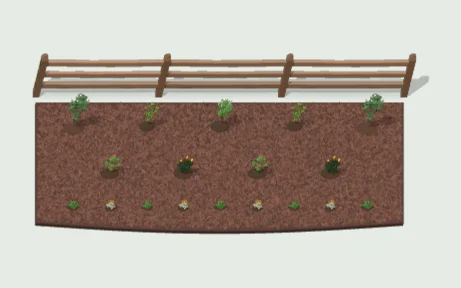
In this layout
9 products · 20 items
Select a product to highlight its items in 3D.
Plant choices
- Saskatoon serviceberry, #5 pot
- USDA zones 3-9 · Full sun · Low water once established · Flowers: mid spring
- Red-flowering currant, #2 pot
- USDA zones 6-9 · Full sun · Low water once established · Flowers: early spring (march–april)
- Mock orange, #2 pot
- USDA zones 4-9 · Full sun · Low water once established · Flowers: early summer (june)
- Nootka rose, #2 pot
- USDA zones 3-9 · Full sun · Low water once established · Flowers: late spring to early summer
- Tall Oregon grape, #2 pot
- USDA zones 5-9 · Part shade · Low water once established · Flowers: early spring
- Kinnikinnick 'Vancouver Jade', #1 pot
- USDA zones 2-8 · Full sun · Low water once established · Flowers: spring
- Oregon sunshine, #1 pot
- USDA zones 5-9 · Full sun · Low water once established · Flowers: late spring to midsummer
Growing zones describe winter cold. A matching zone is a useful starting point. Sun, soil and water matter too.
Product information
9 products
From each product’s own information, shown once however many are used.
New garden bed, prepared and mulched27.69 m²
Care
First weeks
This prepared bed is soil finished with bark mulch; plants/edging are separate. Check grades and leave existing crowns, root flares and house clearances open. Pull mulch aside before planting and set each plant at its proper soil level, not into mulch.
Ongoing
Keep mulch in the bed, remove confirmed small weeds and check soil moisture below before watering. Do not dig woody material into roots to tidy it: this is surface cover, not fertilizer or potting mix. Irrigation must reach soil; damp mulch does not prove roots received water.
Seasons
After storms, rake displaced surface material back without burying crowns or drains. Measure what remains before topping up; repeating the full quoted depth builds a mound. Replace only thinning/decomposed coverage with planned material, maintaining plant/building clearances.
What's normal
Fading, settling, decomposition, fungi and variable bark/chip texture are expected. These alone are not defects. Weeding remains necessary, especially for established perennial weeds; mulch does not make a bed weed-free. Keep new weed seedlings from rooting deeply in decomposing material.
When to call
Call for washout, sour saturated material, ponding, buried crowns or plant decline. Check moisture/drainage before fertilizer or pesticide. Keep children/pets from eating fungi/unfamiliar material, and do not assume visible mushrooms require chemicals.
Confirm
Confirm soil blend/depth, bark layer, drainage and future planting plan. Plants added later need their own care; an empty prepared bed does not require automatic plant irrigation/fertilizer. Avoid changing grades near building drainage or tree roots without the installer's assessment.
Split rail cedar fence, 3-rail9 m
Care
First weeks
Split rail cedar fence, 3-rail uses western red cedar. Save the finish record: some items are supplied unfinished. Decide whether to allow natural weathering or maintain a colour finish; have the installer confirm suitable preparation and a compatible exterior product before coating. Keep the split rails unloaded while the installer releases the ground-set posts and any finish for use.
Ongoing
Brush off leaves and soil, then clean with a cedar-compatible mild cleaner, soft non-metal brush and gentle rinse when needed. Let the wood dry. Avoid aggressive pressure washing, wire brushes and household chemical mixtures. Keep sprinklers and plant growth from repeatedly wetting the wood. Do not lean soil, lumber or heavy pots against panels.
Seasons
Inspect in spring and after winter storms. Clear debris and check visible joints, fixings and ground-level wood. Renew an existing finish when its condition and label call for it; there is no universal annual staining schedule. Prepare and dry the wood as directed before recoating.
What's normal
Unfinished cedar gradually turns silver-grey, often unevenly in sheltered areas. Small surface checks, grain differences and some seasonal movement are common. Dark soft wood, spreading splits through connections or a new lean need attention. Split rails intentionally have a rough, irregular surface; this is not a sealed privacy boundary.
When to call
Call for leaning posts, loose panels, ground-level decay or sharp/broken boards. A fence is not a climbing frame or deck guard. Keep children and pets away from damage until the installer repairs it.
Confirm
Confirm cedar grade, finish and colour, compatible cleaner, fastening details and maintenance access. The source is cedar material guidance; the finished item's supplier instructions and the handover determine its care.
Saskatoon serviceberry, #5 potAmelanchier alnifolia2
Care
First weeks
Check the original rootball and nearby soil several centimetres down, especially in warm or windy weather. Rain or damp mulch can hide dry roots. Water slowly at soil level when it is drying, soaking the roots and surrounding soil, then allow drainage. Adjust to weather, drainage and current local watering rules; never leave roots standing in water. Water newly planted Saskatoon while roots establish and check the rootball during fruit development. A mature drought-tolerant shrub is different from new nursery stock.
Ongoing
Keep loose organic mulch over the roots, clear of stems and crowns, and hand weed without damaging shallow roots. Grow in sun or light shade with drainage and room for a multi-stemmed shrub. It tolerates seasonal dryness once established, though extra water during extended drought can support growth and fruit. Avoid overfeeding and allow air through the crown.
Seasons
Prune lightly in late winter while dormant: remove dead, crossing or weak stems, then gradually renew a few old canes as the shrub matures. Avoid shearing off every shoot tip, which removes flowering/fruiting wood. Remove unwanted suckers at the boundary; use wildlife-safe exclusion if bird protection is needed.
What's normal
White spring flowers, variable summer fruit, autumn colour and winter bare stems are normal. Birds may remove fruit before it looks ready to a person. New stems around the base are expected.
When to call
Ask for help with cankers, orange rust growth, persistent leaf disease or whole stems dying. Pick fruit only after positive identification and confirmation of treatment/harvest restrictions. Ornamental landscape maintenance may differ from a food-crop programme.
Confirm
Confirm the installed variety, local winter suitability, drainage, irrigation settings and the installer's establishment plan at handover. Confirm Amelanchier alnifolia, desired shrub form, eventual spread and whether harvesting is intended. Agree sucker management and a suitable local inspection/pruning schedule.
Red-flowering currant, #2 potRibes sanguineum2
Care
First weeks
Check the original rootball and nearby soil several centimetres down, especially during warm or windy weather. Rain or damp mulch can conceal dry roots. Water slowly at soil level when it is drying, soaking the roots and surrounding soil, then allow drainage. Adjust to weather, drainage and current local watering rules; do not leave roots standing in water. Water new red-flowering currant through its first dry periods; roots need to spread before the shrub can use stored soil moisture.
Ongoing
Keep loose mulch over the roots, clear of stems and crowns, and hand weed without digging into shallow roots. Give sun or light shade and well-drained soil. Established plants tolerate seasonal summer dryness, though a very dry exposed bed may still need occasional water. Avoid frequent lawn watering, heavy feeding and crowding that keeps stems wet.
Seasons
It flowers on growth formed before spring. If pruning is needed, do it just after flowers fade: thin a few old stems at the base and keep younger replacement shoots. Do not shear in winter or early spring if flowers are wanted. Retain some fruiting stems where wildlife habitat is the priority.
What's normal
A strong early flower display followed by a plain green summer shrub and winter leaf fall is normal. Fruit and flower quantity varies with age, shade and weather.
When to call
Call for stems that repeatedly die back, severe persistent leaf disease or wilt not explained by dry soil. Sparse flowering often relates to shade or pruning timing. Do not assume the ornamental currant fruit is a recommended food crop without identification and treatment-history checks.
Confirm
Confirm the installed variety, local winter suitability, drainage, irrigation settings and the installer's establishment plan at handover. Confirm Ribes sanguineum and any flower-colour cultivar, mature spread and the agreed post-bloom thinning plan. Check nesting activity before pruning a dense established shrub.
Mock orange, #2 potPhiladelphus lewisii1
Care
First weeks
Check the original rootball and nearby soil several centimetres down, especially during warm or windy weather. Rain or damp mulch can conceal dry roots. Water slowly at soil level when it is drying, soaking the roots and surrounding soil, then allow drainage. Adjust to weather, drainage and current local watering rules; do not leave roots standing in water. New mock orange needs establishment watering, particularly on a sunny dry bank; native status does not make a nursery rootball drought-proof.
Ongoing
Keep loose mulch over the roots, clear of stems and crowns, and hand weed without digging into shallow roots. Give sun or light shade, drainage and room for arching canes. Established Philadelphus lewisii tolerates seasonal dryness better than many lush shrubs. Water in extended drought as needed, avoiding constantly wet roots and heavy fertilizer.
Seasons
Flowers are borne on older growth. Prune after flowering, shortening selected flowered shoots and gradually removing a few of the oldest canes at ground level on a mature shrub. Do not shear all stems in winter or early spring if flowers are wanted. Leave new vigorous shoots to form next year's framework.
What's normal
White fragrant flowers are followed by a plain leafy summer shrub, then winter leaf fall. A loose upright/arching form and some basal renewal growth are expected.
When to call
Call for extensive stem death, severe leaf distortion or a plant repeatedly wilting after soil moisture has been corrected. Sparse bloom can follow too much shade, hard pruning at the wrong time or an immature plant; discuss those causes before fertilizer.
Confirm
Confirm the installed variety, local winter suitability, drainage, irrigation settings and the installer's establishment plan at handover. Confirm native Philadelphus lewisii rather than a differently sized garden hybrid and agree the eventual width and post-bloom pruning plan. Check for nesting wildlife before thinning a dense shrub.
Nootka rose, #2 potRosa nutkana2
Care
First weeks
Check the original rootball and nearby soil several centimetres down, especially during warm or windy weather. Rain or damp mulch can conceal dry roots. Water slowly at soil level when it is drying, soaking the roots and surrounding soil, then allow drainage. Adjust to weather, drainage and current local watering rules; do not leave roots standing in water. New Nootka rose needs water while its roots establish. Mark the planting so canes and small suckers are not strimmed accidentally.
Ongoing
Keep loose mulch over the roots, clear of stems and crowns, and hand weed without digging into shallow roots. Allow sun/light shade and space for a native thicket in draining soil. Established plants tolerate seasonal dryness; water through prolonged drought if necessary. Wear strong gloves and sleeves around prickly canes and keep them away from narrow access routes.
Seasons
Retain a natural form. Remove dead, damaged or congested older canes in late winter or after flowering, preserving younger shoots; pruning flowered growth affects hips. Leave some spent flowers for autumn hips and wildlife. Remove unwanted suckers at the colony edge and check for nesting before pruning.
What's normal
It flowers mainly in a seasonal flush rather than behaving like a repeatedly blooming bedding rose. Hips, winter bare stems and spreading suckers are normal. Some leaf spotting or chewing can be tolerated in a wildlife planting.
When to call
Ask for help if canes repeatedly die, growth is severely distorted or spread exceeds the agreed area. Do not harvest hips or other plant parts until identity and treatment history are confirmed; the presence of wildlife fruit is not an automatic food-use recommendation.
Confirm
Confirm the installed variety, local winter suitability, drainage, irrigation settings and the installer's establishment plan at handover. Confirm Rosa nutkana, acceptable colony width, the balance between hips and pruning, and safe clearance beside gates or children's paths. Agree who will control suckers.
Tall Oregon grape, #2 potMahonia aquifolium2
Care
First weeks
Check the original rootball and nearby soil several centimetres down, especially in warm or windy weather. Rain or damp mulch can hide dry roots. Water slowly at soil level when it is drying, soaking the roots and surrounding soil, then allow drainage. Adjust to weather, drainage and current local watering rules; never leave roots standing in water. New tall Oregon grape needs water until roots spread; drought tolerance in an established woodland shrub is not immediate.
Ongoing
Keep loose organic mulch over the roots, clear of stems and crowns, and hand weed without damaging shallow roots. Use sun to partial shade with well-drained soil. It tolerates seasonal dryness once established, but monitor in prolonged drought, especially in exposed sun. Avoid heavy feeding or liming without soil evidence. Holly-like leaves are sharp; wear gloves and leave clearance by paths.
Seasons
Prune selectively after flowering if needed, taking out damaged stems or some older canes to encourage renewal. Control unwanted suckers at the edge and avoid routine tight shearing if flowers and berries are wanted. Replenish mulch without covering the woody base.
What's normal
Bronze/purple winter leaves and reddish new growth can be normal. Yellow spring flowers and blue berries follow seasonally. This species grows taller than dull Oregon grape and may form a colony.
When to call
Call for spreading cane death, extensive leaf disease or persistent wilt despite suitable soil moisture. A few spotted older leaves often affect appearance more than survival. Do not harvest berries or plant parts without confirming identity and treatment history; there is no general food-use clearance for the installation.
Confirm
Confirm the installed variety, local winter suitability, drainage, irrigation settings and the installer's establishment plan at handover. Confirm Mahonia aquifolium, mature height, acceptable spread and who will control suckers. Do not apply the lower size expectation of M. nervosa to this plant.
Kinnikinnick 'Vancouver Jade', #1 potArctostaphylos uva-ursi 'Vancouver Jade'5
Care
First weeks
Check the original rootball and nearby soil several centimetres down, especially during warm or windy weather. Rain or damp mulch can conceal dry roots. Water slowly at soil level when it is drying, soaking the roots and surrounding soil, then allow drainage. Adjust to weather, drainage and current local watering rules; do not leave roots standing in water. Keep small kinnikinnick rootballs from drying completely until runners root into surrounding soil; established low water needs do not apply immediately.
Ongoing
Provide sun or light shade and lean, acidic, free-draining soil. Once rooted, this groundcover tolerates dryness; avoid rich feeding, continually wet soil and frequent overhead irrigation. Keep mulch away from the woody bases and hand weed until cover closes.
Seasons
Clip stray leafy tips or trim bed edges lightly after flowering if needed. Avoid cutting a whole mat back to bare old stems, and do not bury spreading stems under repeated heavy mulch. Remove individual dead branches and reassess drainage rather than automatically increasing irrigation.
What's normal
Slow initial spread, glossy leaves and bronze/red winter tones are normal. Pinkish spring flowers and red fruit are seasonal features. 'Vancouver Jade' forms a low spreading mat rather than an upright shrub.
When to call
Call for expanding dead patches, blackened stem bases or roots remaining wet through mild weather. Do not treat ornamental berries as a food recommendation. Check the identity of anything harvested and keep pets from chewing landscape plants.
Confirm
Confirm the installed variety, local winter suitability, drainage, irrigation settings and the installer's establishment plan at handover. Confirm the 'Vancouver Jade' label, soil acidity and intended mat boundary. Species-level guidance applies, but exact growth rate and winter appearance may differ with nursery stock and site.
Oregon sunshine, #1 potEriophyllum lanatum4
Care
First weeks
Check the original rootball and nearby soil several centimetres down, especially during warm or windy weather. Rain or damp mulch can conceal dry roots. Water slowly at soil level when it is drying, soaking the roots and surrounding soil, then allow drainage. Adjust to weather, drainage and current local watering rules; do not leave roots standing in water. Keep newly planted Oregon sunshine from drying completely while the roots extend; avoid wetting the crown every day.
Ongoing
Provide an open sunny position with lean, sharply drained soil. Once established, it is suited to summer-dry conditions and needs less water than moisture-loving perennials. Avoid rich compost, high nitrogen and damp mulch packed around the base, which encourage weak growth or rot.
Seasons
Lightly trim faded flower stems after the main display if tidying is wanted, retaining healthy foliage. Remove dead or weathered growth in spring once new growth can be seen. Do not repeatedly scalp into an old woody base. In wet-winter climates prioritize drainage and reduce irrigation when rain keeps the bed moist.
What's normal
Silver-grey foliage, yellow daisies and a low spreading form are characteristic. Growth may slow and foliage look less lush in dry weather. Plants can be shorter-lived in a wet, rich border than in a suitable dryland bed.
When to call
Call for a soft black base, complete sudden collapse or widespread winter loss. Do not respond to poor performance by routinely feeding or watering more without checking drainage and sun exposure.
Confirm
Confirm the installed variety, local winter suitability, drainage, irrigation settings and the installer's establishment plan at handover. Confirm Eriophyllum lanatum, supplied form/provenance, local winter drainage and the watering zone. It should not share an unadjustable lush-border irrigation schedule merely because both are perennials.
Learn more